Undergraduate


Studying the Ancient Greek and Roman Worlds at Berkeley
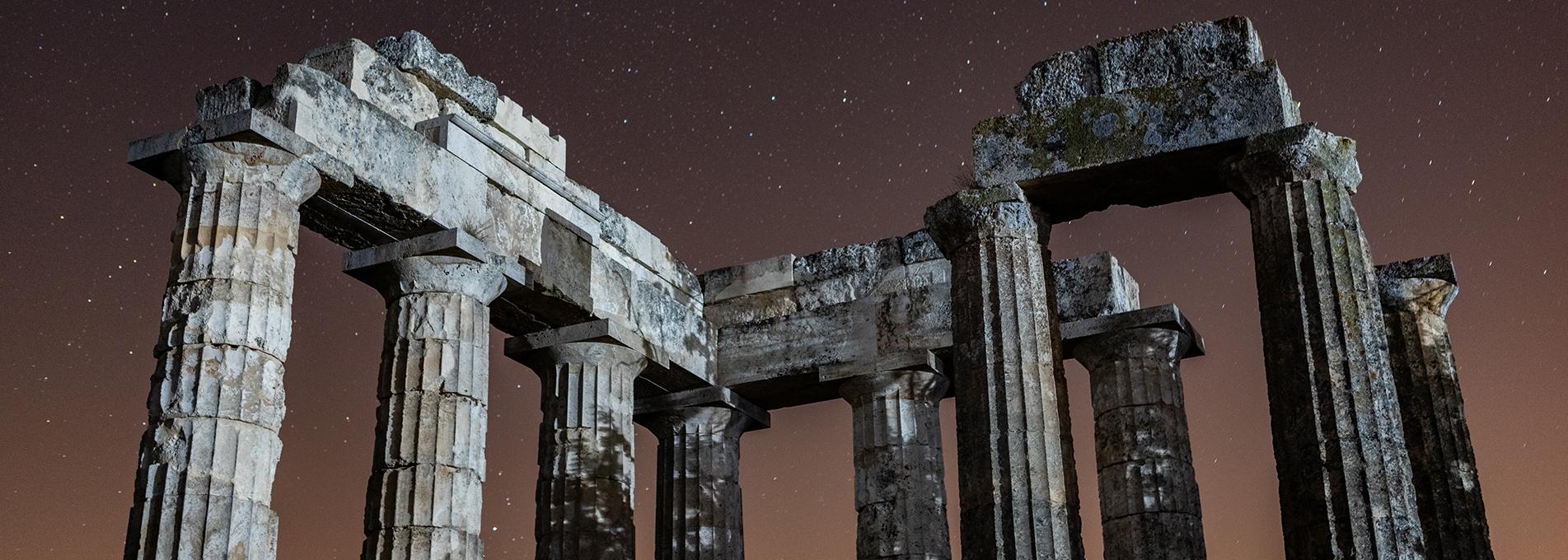
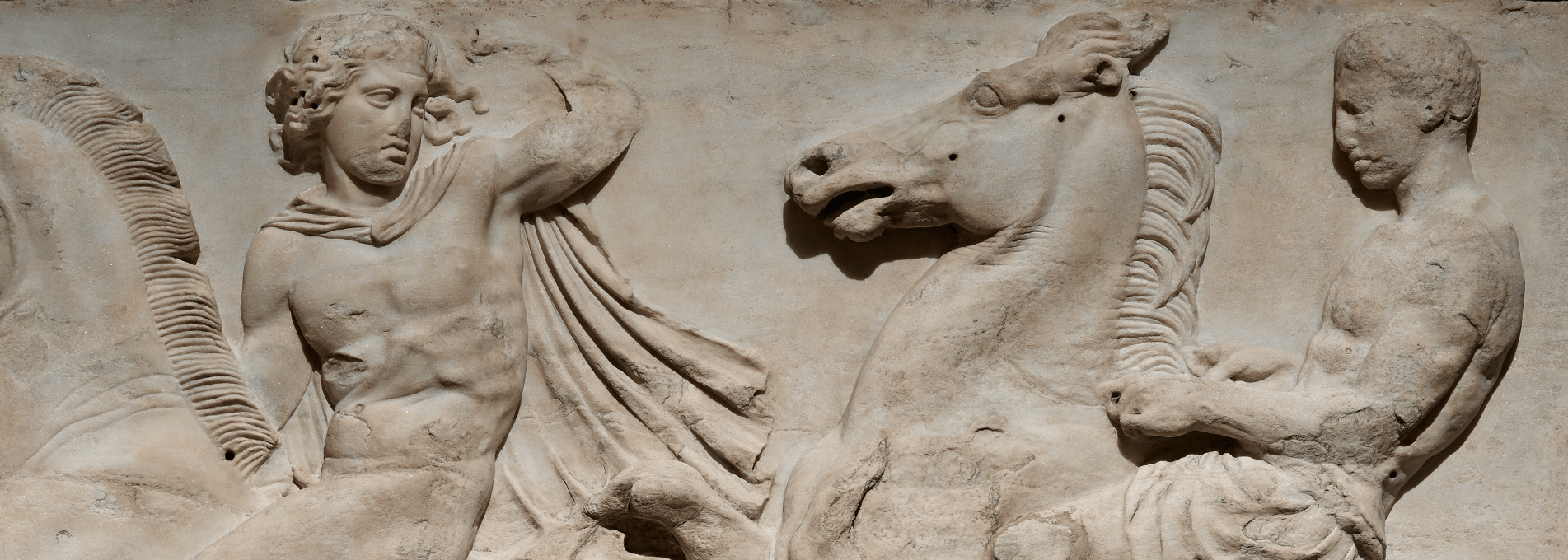
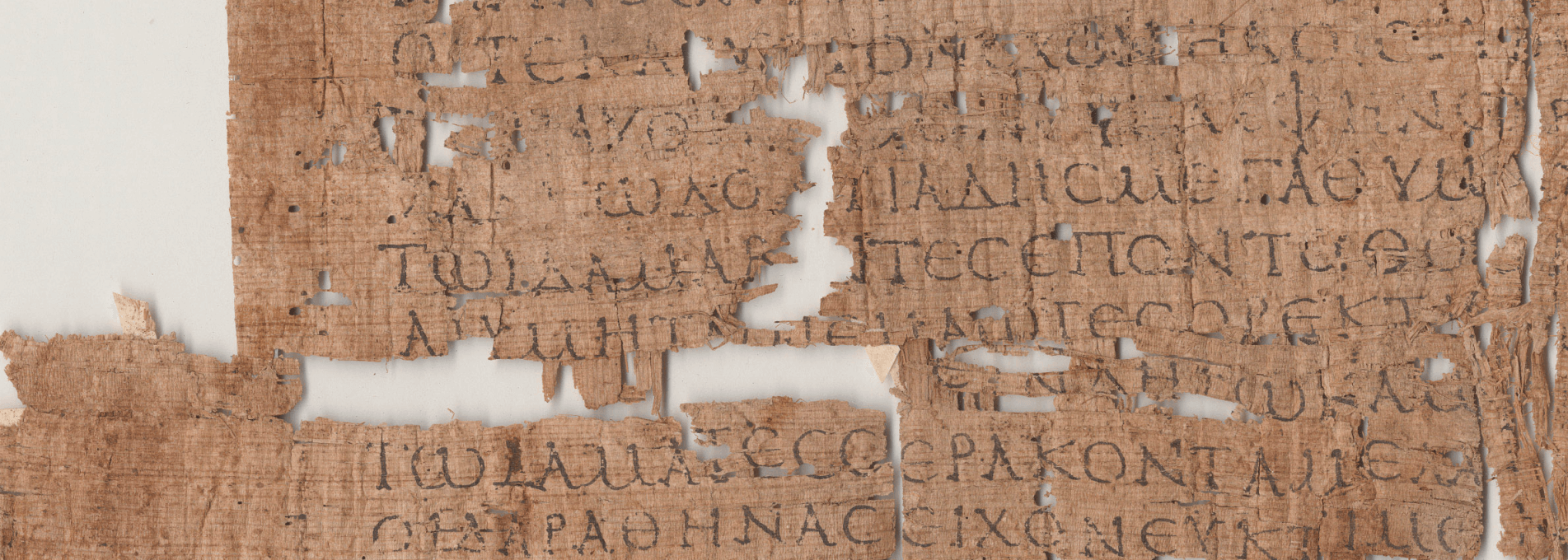
The department teaches and studies the languages, cultures, histories, philosophies, literatures, art, and material culture of the ancient Greek and Roman worlds. It is home to exciting and welcoming undergraduate major programs and maintains a rich and varied schedule of undergraduate courses, including a full curriculum of ancient Greek and Latin language instruction. Its PhD programs in Classics and Classical Archaeology are enriched every year by the arrival of new future leaders in the study of the ancient world, and for generations their graduates have gone on to renew or remake their fields. Itself a teeming center of intellectual vitality on campus, the department is affiliated with internationally important research units directed by its faculty, including the Center for the Tebtunis Papyri, the Sara B. Aleshire Center for Greek Epigraphy, and the Nemea Center for Classical Archaeology. The department organizes many events of interest and hosts many visits, most notably the storied annual Jane K. Sather Professorship of Classical Literature.
Featured Courses

Spring 2026
Trevor Murphy
This course presents an overview of the highlights of Roman civilization with an emphasis on major literary works and how they reflect Roman culture. The discussion sections will provide supplementary information and an opportunity to discuss topics addressed in the lectures.

AGRS 161 : Gender, Sexuality, and Culture in the Ancient World: "History of Sexualities/Interpreting the Queer Past"
Spring 2026
Leslie Kurke
This course will study sexuality and gender in two very different historical periods—ancient Greece and 19th-century Europe. We will read literary texts, historical documents, and critical essays to constitute a comparative analysis of systems of gender and sexuality.

Spring 2026
Sherry Lee
This graduate seminar explores Hellenistic poetry through the concept of “geopoetics,” examining how questions of geography, environment, and place shape literary production in the aftermath of Alexander’s empire. We will consider how poets such as Callimachus, Theocritus, and Apollonius of Rhodes represent and re-organize space across multiple dimensions: the urban environment of Ptolemaic Alexandria; imperial, colonial, and local geographies; mythological and fictional (especially bucolic) landscapes.
News
The Department is delighted to report that Nathan Levine has just accepted a tenure-track position (starting Fall 2026) at the University of Maryland College Park. Our congratulations to Nathan!
Congratulations to Naomi Weiss (PhD UCB Classics, 2014), who has been appointed Director of Harvard's Center for Hellenic Studies in Washington DC.
Warm congratulations to DAGRS lecturer Kristina Chew, whose contributions to the field and community of Asian and Asian American Classics have been recognized by the Asian and Asian American Classical Caucus with the institution of an essay prize, to be known as the Kristina Chew Prize.
Events
Mar
18
2026
The final lecture in Emily Greenwood's Sather Lecture Series, Conversing on the Outside: Ancient Greek Dialogues and Black Feminist Thought.
Apr
15
2026
A lecture by Kristina Chew on Theresa Hak Kyung Cha, timed to coincide with the Cha exhibit currently on at BAMPFA.
Spring 2026 Sather Lectures
Sather Professor: Emily Greenwood, Harvard University
“Conversing on the Outside: Ancient Greek Dialogues and Black Feminist Thought"
